
Samsung Wallet Adds USDC: Stablecoins Go Mainstream When the Blockchain Disappears
Samsung Wallet is bringing USDC transfers and bank payouts into a familiar mobile wallet. The important shift is not crypto exposure but invisible, regulated settlement infrastructure.
 4 分钟阅读
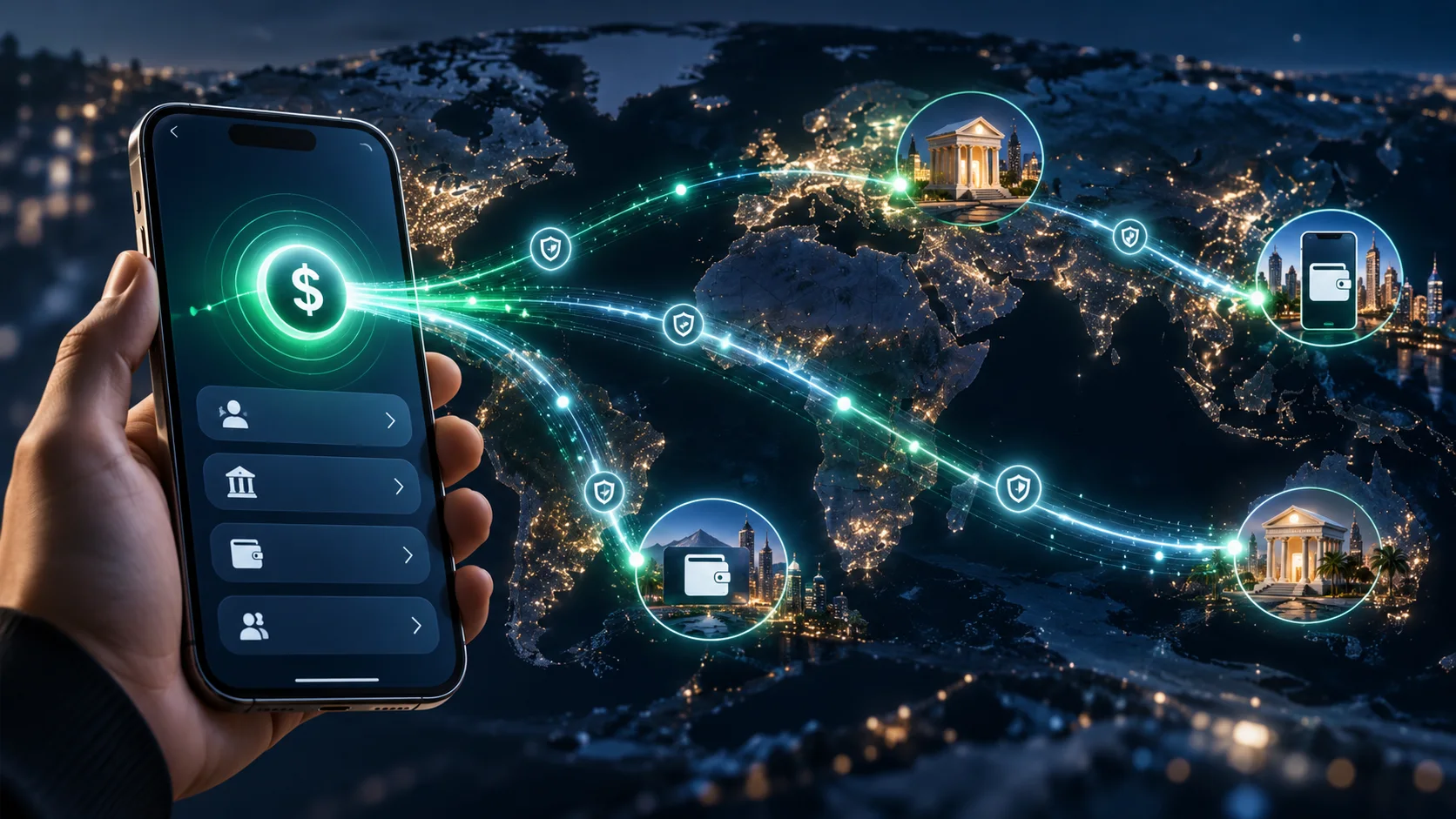
Stablecoins may reach mass adoption without teaching millions of people how to use a crypto wallet. A more plausible path is for users to keep using a familiar phone wallet while blockchain settlement, custody, and currency conversion disappear into the infrastructure.
Samsung Electronics America announced on October 7, 2026 that stablecoin functionality will begin rolling out to eligible U.S. Galaxy users in the final week of October. USDC will be the first supported asset, and the company says 82 million U.S. Galaxy devices are compatible. Users will be able to transfer USDC to compatible wallets or send money to eligible bank accounts in more than 60 countries, where recipients may receive local currency.
This is more than a token balance added to a phone. It shows what a complete consumer stablecoin product may look like.
The user sees a transfer; the infrastructure contains several financial layers
Samsung identifies the responsibilities clearly. Bastion provides regulated account, custody, and money-movement infrastructure. Coinbase serves as sub-custodian through Coinbase Prime Vault. Partners including Solana and Sui provide blockchain network support. Samsung explicitly says it is not a bank, money transmitter, or digital-asset custodian and does not hold customer funds.
This structure hides private-key management, chain selection, and on/off-ramp mechanics. Users must complete identity verification and approve transfers with biometrics, but they do not need to understand seed phrases, gas, or bridges.
“No transfer fee” does not mean no cost
Samsung says it will not charge a fee for sending USDC to a compatible external wallet. The receiving wallet or exchange may still charge fees, and speed depends on network conditions. Bank-account payouts carry fees that vary by destination and amount and are shown before confirmation.
The service is therefore not a free replacement for every remittance product. The meaningful comparison is the complete quote: fiat purchase price, network transfer, custody, foreign-exchange spread, bank payout fee, and final delivery time. Stablecoins remove only part of the settlement friction.
Why an invisible chain matters more than another crypto wallet
Earlier crypto payment products often required users to cross a technical threshold. Samsung Wallet reverses that sequence by putting stablecoins inside an interface already used for cards, IDs, and boarding passes. The user chooses to send money abroad, not to use a particular blockchain.
This complements machine-payment systems such as the onchain AI API payment model described in our Chinese-language analysis. One side enables programmable settlement between agents and services; the other hides settlement behind a consumer interface. In both cases, blockchain becomes infrastructure rather than the product.
What developers and investors should watch
- Activation: 82 million is the compatible-device footprint, not the number of funded or active accounts.
- Bank payout coverage: more than 60 countries still leaves restrictions by bank, account type, and local regulation.
- Network routing: Samsung names both Solana and Sui; the live product will show whether routing is automatic or user-selectable.
- Compliance operations: identity checks, sanctions screening, disputes, and freezes will determine whether the service can replace established remittance products.
- Business model: when blockchain transfer cost approaches zero, revenue is more likely to come from FX, ramps, custody, and adjacent services.
Conclusion
Samsung Wallet matters not because it creates one more place to hold USDC, but because it brings a fuller stablecoin financial stack into a system wallet. The strongest sign of mainstream adoption will not be users talking more about blockchains. It will be users completing cross-border transfers without needing to talk about blockchains at all.